
Blog
Blog
Blog

Blog
Holistic Vision Blog
Learn more about optometry care in our blog!

As autumn brings shorter days to Greater Philadelphia, many remote workers spend more of their workday indoors under artificial lighting. Combined with hours of computer use, the shift between dim rooms, bright screens, and overhead lights can make visual discomfort more noticeable. For people who already experience light sensitivity, also called photophobia, prolonged screen use may contribute to headaches, tired eyes, difficulty focusing, and general eye strain.

Dizziness, imbalance, and a spinning sensation can make everyday activities difficult. While these symptoms are often associated with vestibular vertigo, they can also be related to binocular vision dysfunction. Because the two conditions may feel similar, determining the source of your symptoms is important.

Smart Back-to-School Nutrition: Foods and Habits to Support Kids' Visual Development This Fall in PA
As families prepare for a new school year, nutrition often focuses on energy, concentration, and immunity. It also plays a supporting role in healthy eyes and normal visual development. Children rely on vision throughout the school day for reading, writing, sports, screen use, and moving safely through busy classrooms.
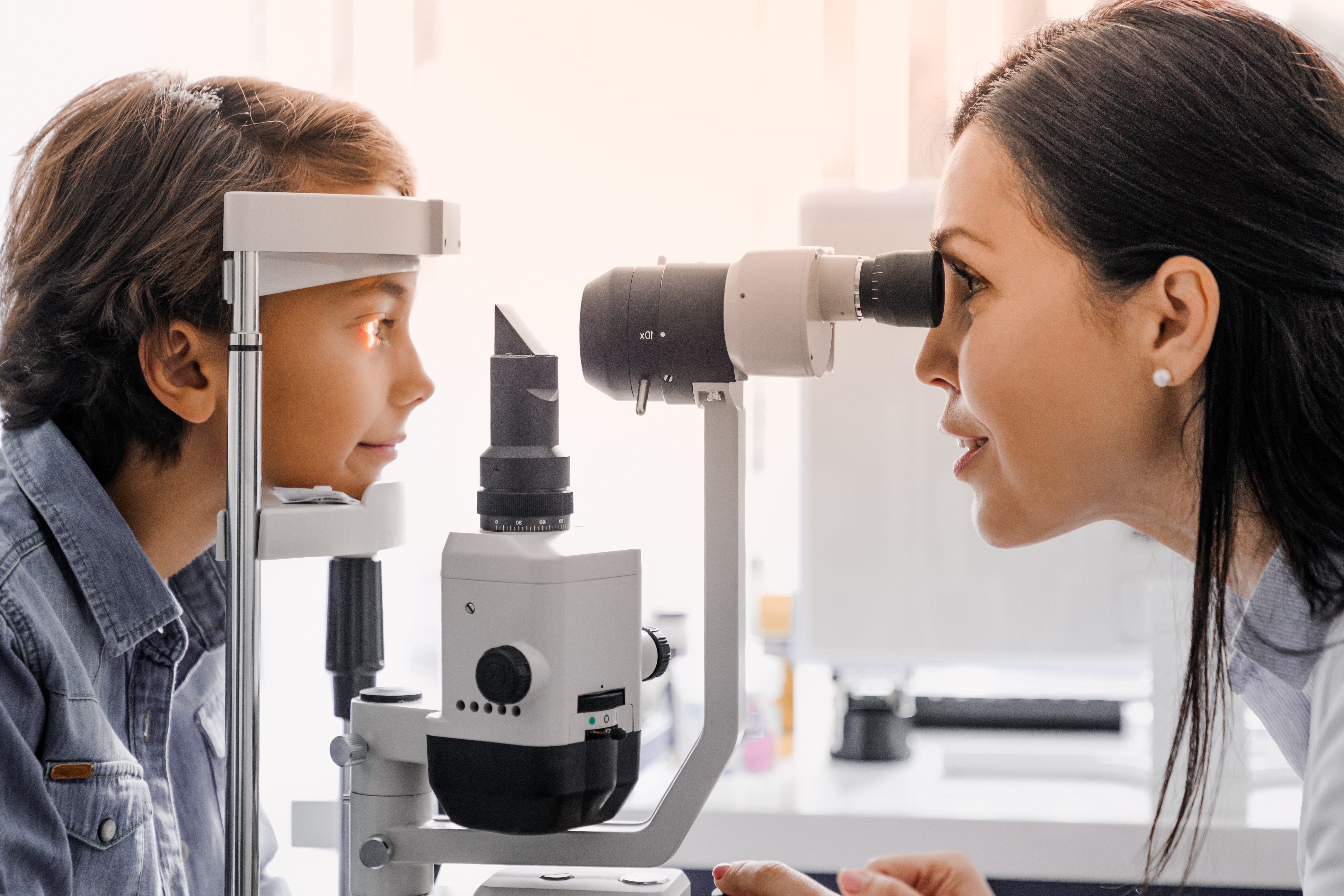
When a child struggles with reading, attention, copying from the board, or homework, parents may first think about tutoring, learning differences, or motivation. While those factors can matter, some learning-related challenges are connected to how the eyes work together. A standard eye exam is important, but it may not always evaluate the deeper visual skills needed for comfortable reading and learning.

Daily habits play an important role in how well the eyes and brain work together over time. For many people, visual function is not only about seeing clearly on an eye chart. It also involves focusing, tracking, depth perception, visual processing, balance, and comfort during reading, screen use, movement, and learning.
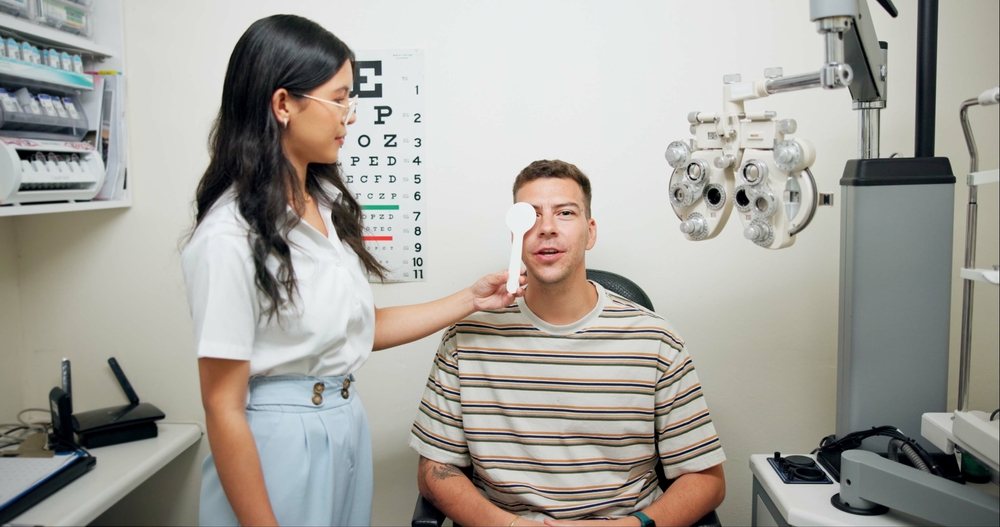
Amblyopia is often called “lazy eye,” but that phrase does not fully explain what is happening. Amblyopia is a developmental vision condition where one eye does not achieve clear, comfortable vision, even with glasses or contact lenses. It can also affect how the two eyes work together, which is why a deeper evaluation is often needed. At Holistic Vision, Dr. Robin Sapossnek looks beyond the surface symptoms to understand how the eyes, brain, and visual system are functioning as a whole. This is especially important for children and adults who have struggled with reading, depth perception, eye strain, headaches, or visual discomfort.

A mild traumatic brain injury can affect much more than memory or balance. In many cases, it also changes how the eyes and brain work together. After an MTBI, people may be told their eyes are healthy, yet they still struggle with reading, driving, screens, or busy environments. These are often hidden vision problems, and they can interfere with daily life long after the initial injury.
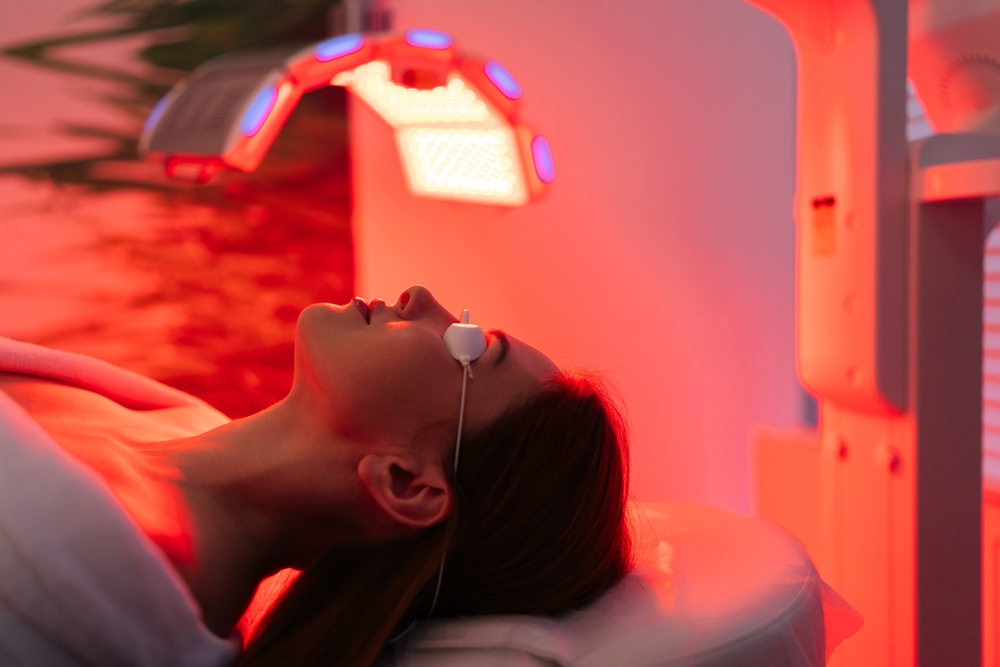
Syntonics phototherapy, also called optometric phototherapy, uses specific frequencies of light as part of vision treatment. Holistic Vision describes it as the ocular application of selected light frequencies to address a range of visual dysfunctions, including binocular and accommodative deficiencies, oculomotor issues, visual field loss, headaches, strabismus, and amblyopia.
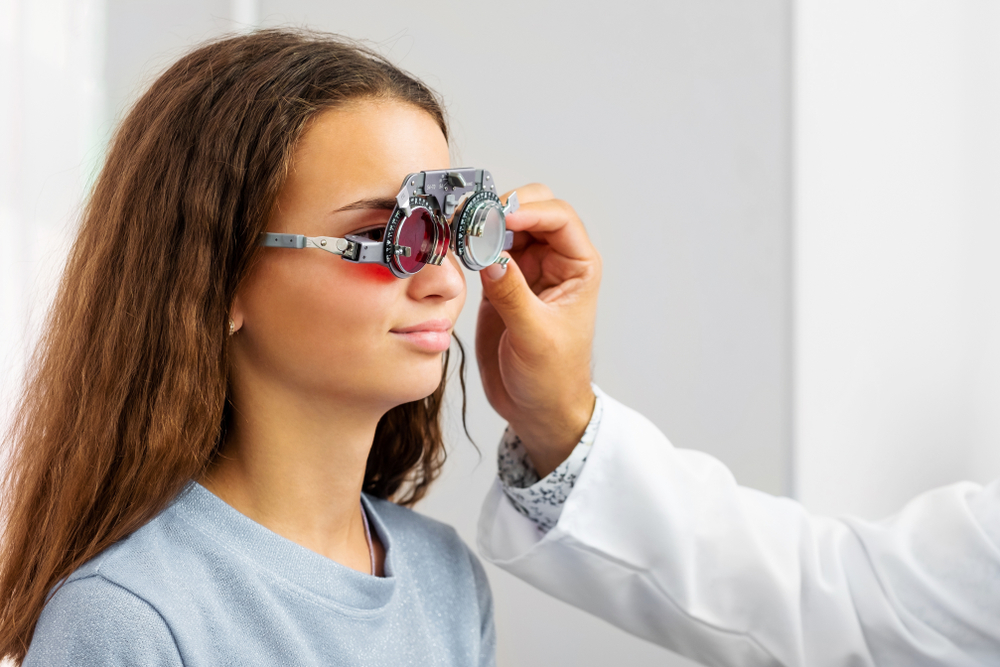
When the brain’s visual pathways are not working efficiently, challenges like reading difficulties, eye strain, poor focus, and coordination problems can arise. Fortunately, the brain has an incredible ability to adapt and change. This ability, known as neuroplasticity, is the foundation of vision therapy and the reason meaningful, lasting improvements in visual skills are possible at any age.
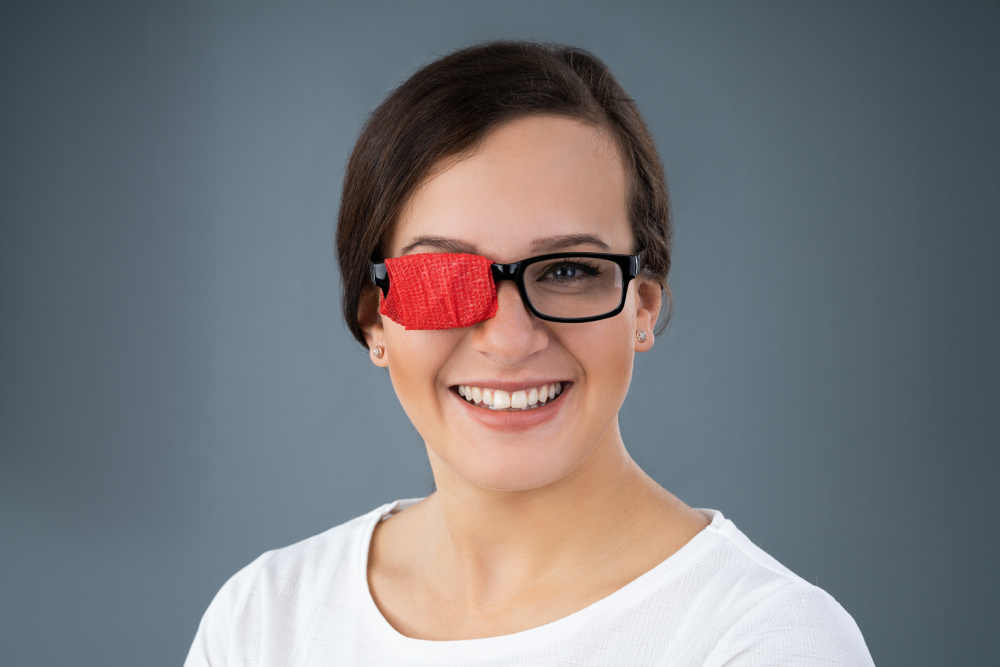
Lazy eye, clinically known as amblyopia, is a common vision condition that often begins in childhood. It occurs when one eye does not develop normal visual acuity, even though the eye itself may appear healthy. Because the brain favors the stronger eye, the weaker eye becomes increasingly ignored over time. Many people assume lazy eye can only be treated in early childhood, but advances in vision therapy are changing that perspective.


Contact Info
1653 The Fairway Suite 211
Jenkintown, PA 19046
(far-end of the Whole Foods plaza)
Phone: (267) 500-9600
Fax: (215) 663-9889
Quick Contact Form
Office Hours
Monday: Phone lines only
Tuesday: 10:00 AM – 5:00 PM
Wednesday: 10:00 AM – 5:00 PM
Thursday: 10:00 AM – 5:00 PM
Friday: Phone lines only
Saturday: Closed
Sunday: Closed
© 2026 Holistic Vision. All Rights Reserved.
Powered by:
