
Vision Therapy vs. Standard Eye Exams: What Greater Philadelphia Parents Need to Know for Learning-Related Visual Issues
Vision Therapy vs. Standard Eye Exams: What Greater Philadelphia Parents Need to Know for Learning-Related Visual Issues
Vision Therapy vs. Standard Eye Exams: What Greater Philadelphia Parents Need to Know for Learning-Related Visual Issues
Vision Therapy vs. Standard Eye Exams: What Greater Philadelphia Parents Need to Know for Learning-Related Visual Issues

When a child struggles with reading, attention, copying from the board, or homework, parents may first think about tutoring, learning differences, or motivation. While those factors can matter, some learning-related challenges are connected to how the eyes work together. A standard eye exam is important, but it may not always evaluate the deeper visual skills needed for comfortable reading and learning.
At Holistic Vision in Jenkintown, we help families throughout Greater Philadelphia better understand vision therapy and how it differs from a routine eye exam.
What A Standard Eye Exam Checks
A standard eye exam evaluates important parts of vision and eye health. Your eye doctor checks whether your child needs glasses, how clearly they see, and whether the eyes appear healthy. This exam can identify nearsightedness, farsightedness, astigmatism, and other common vision concerns.
However, a child can pass a school screening or see 20/20 and still struggle with visual function. Clear eyesight does not always mean the eyes are teaming, tracking, and focusing efficiently during reading or close work.
What Vision Therapy Evaluates
Vision therapy looks more closely at how the eyes and brain work together. These skills affect how a child tracks across a page, shifts focus from near to far, maintains attention during reading, and processes visual information.
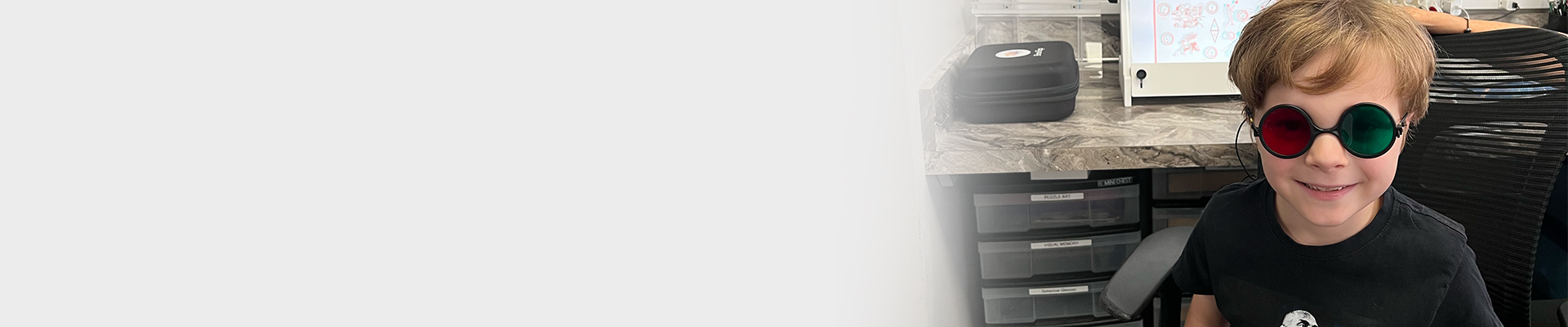
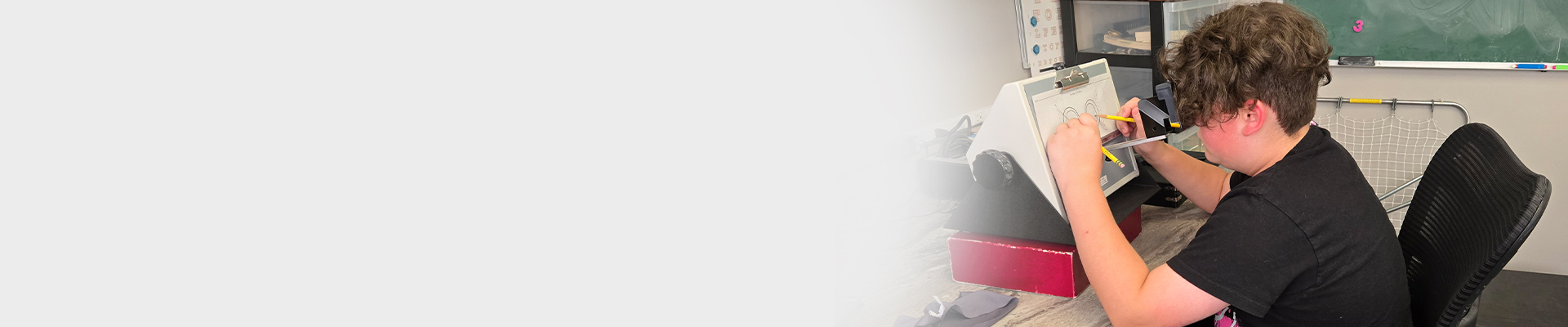
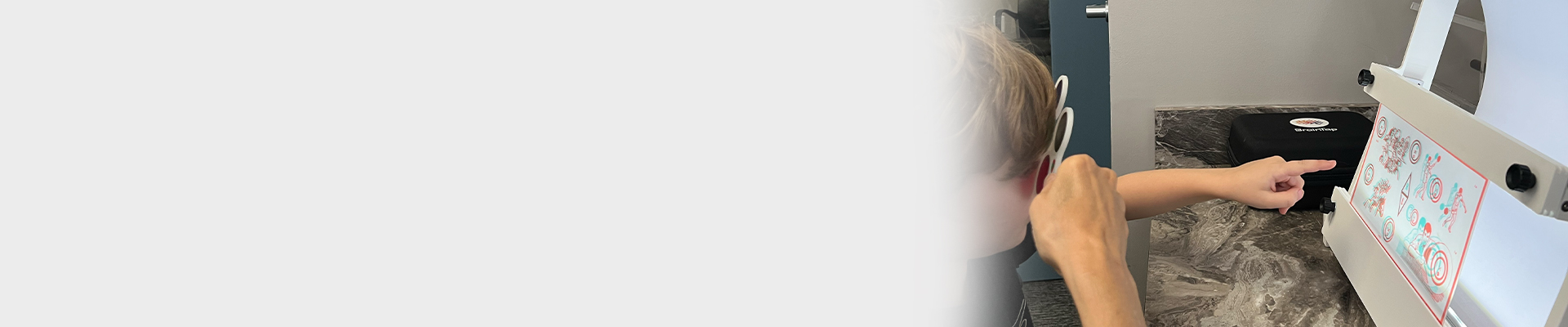
At Holistic Vision, vision therapy may be recommended for concerns involving eye tracking, binocular vision, focusing, visual processing, eye alignment, depth perception, and learning-related visual issues. The goal is to improve functional vision, not just sharpen eyesight with a prescription.
Signs A Learning-Related Visual Issue May Be Present
Parents in Greater Philadelphia may notice that a child avoids reading or becomes tired quickly during homework. These signs are not always behavioral. They may reflect visual strain.
A vision therapy evaluation may be worth considering if your child experiences:
- Losing place while reading
- Skipping words or lines
- Rereading the same sentence often
- Headaches or eye strain after near work
- Covering one eye while reading
- Blurry or double vision
- Difficulty copying from the board
- Poor reading stamina
- Trouble with hand-eye coordination
- Avoiding homework or close-up tasks
These symptoms do not automatically mean vision therapy is needed, but they are important clues that deserve a closer look.
Why 20/20 Vision Is Not The Whole Story
Many parents are surprised to learn that 20/20 vision only measures clarity at a distance. Reading, writing, and learning require additional visual skills. A child must aim both eyes at the same place, move smoothly across text, focus accurately, and process what they see.
If one of these skills is inefficient, a child may work harder than classmates to complete the same assignment. Over time, this can lead to frustration, fatigue, and avoidance.
How Vision Therapy Works
Vision therapy is a structured program of doctor-guided activities designed to strengthen specific visual skills. It is personalized based on evaluation findings and may include in-office sessions, home reinforcement, lenses, prisms, or other tools depending on the patient’s needs.
Vision therapy is not simply eye exercises. It is a treatment plan that trains the visual system to work more efficiently with the brain. Progress depends on the child’s condition, consistency, and individual response to care.
When Should Parents Schedule An Evaluation?
If your child has had a standard eye exam but still struggles with reading, focus, tracking, or visual comfort, a functional vision evaluation may be the next step. This is especially important when symptoms persist despite updated glasses, tutoring, or classroom support.
For Greater Philadelphia families, summer or school breaks can be a practical time to schedule testing. It gives parents a chance to better understand what is happening before the next school year adds more visual demands.
Getting Clearer Answers For Your Child
A standard eye exam and vision therapy evaluation serve different purposes, and both can be valuable. The key is knowing when your child may need a deeper look at visual function. If learning-related visual issues are part of the problem, targeted care may help your child read, learn, and function with more comfort.
To schedule a vision therapy evaluation, contact Holistic Vision in Jenkintown, PA at 1653 The Fairway Suite 211, Jenkintown, PA 19046, or call (267) 500-9600.


Contact Info
1653 The Fairway Suite 211
Jenkintown, PA 19046
(far-end of the Whole Foods plaza)
Phone: (267) 500-9600
Fax: (215) 663-9889
Quick Contact Form
Office Hours
Monday: Phone lines only
Tuesday: 10:00 AM – 5:00 PM
Wednesday: 10:00 AM – 5:00 PM
Thursday: 10:00 AM – 5:00 PM
Friday: Phone lines only
Saturday: Closed
Sunday: Closed
© 2026 Holistic Vision. All Rights Reserved.
Powered by:
