
Is It Vestibular Vertigo or Binocular Vision Dysfunction? How Jenkintown Residents Can Tell the Difference

Is It Vestibular Vertigo or Binocular Vision Dysfunction? How Jenkintown Residents Can Tell the Difference

Is It Vestibular Vertigo or Binocular Vision Dysfunction? How Jenkintown Residents Can Tell the Difference

Is It Vestibular Vertigo or Binocular Vision Dysfunction? How Jenkintown Residents Can Tell the Difference
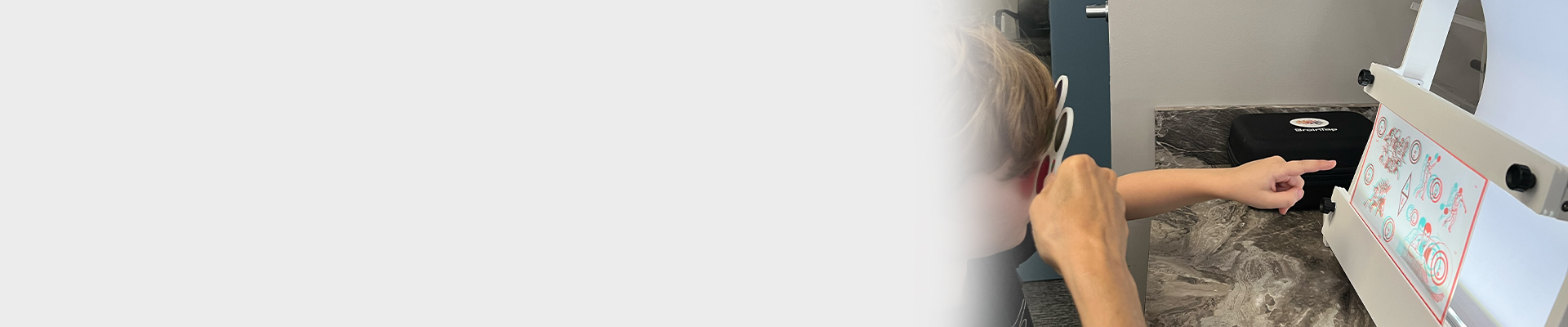

Dizziness, imbalance, and a spinning sensation can make everyday activities difficult. While these symptoms are often associated with vestibular vertigo, they can also be related to binocular vision dysfunction. Because the two conditions may feel similar, determining the source of your symptoms is important.
At Holistic Vision in Jenkintown, we evaluate how the eyes and brain work together, including visual problems that may contribute to dizziness, balance difficulties, double vision, and visual discomfort.
What Is Vestibular Vertigo?
The vestibular system includes structures in the inner ear and brain that help control balance and spatial orientation. When this system is disrupted, vertigo can occur.
Vestibular vertigo often creates a distinct sensation that you or your surroundings are spinning or moving. Symptoms may be triggered by changes in head position, rolling over in bed, standing up, or other movements. Some people also experience nausea, difficulty walking, or sensitivity to motion.
Because several conditions can cause vestibular symptoms, proper evaluation by an appropriate healthcare provider is essential.
What Is Binocular Vision Dysfunction?
Binocular vision dysfunction occurs when the eyes have difficulty working together efficiently as a coordinated team. Even a small eye alignment or focusing problem can force the visual system to work harder to maintain clear, comfortable vision.
For some people in Jenkintown, this extra visual effort may contribute to dizziness or a feeling of instability rather than obvious blurry vision.
Symptoms associated with binocular vision problems may include:
Dizziness or feeling off-balance
Headaches or eye strain
Double or overlapping vision
Difficulty reading or using screens
Motion sensitivity in stores or crowded environments
Discomfort while driving
Problems judging depth or spatial relationships
These symptoms can sometimes appear after a concussion, traumatic brain injury, stroke, or another neurological event. They can also occur with conditions such as convergence insufficiency or vertical heterophoria.
How Can You Tell The Difference?
Symptoms alone are not always enough to determine whether dizziness comes from the vestibular system or the visual system. One clue is whether visually demanding situations consistently make symptoms worse.
For example, someone with binocular vision dysfunction may feel uncomfortable when scrolling on a computer, walking through a busy supermarket, reading for an extended period, or driving through visually complex traffic. Closing one eye may temporarily change symptoms for some individuals because it removes the demand for the two eyes to coordinate.
Vestibular vertigo, on the other hand, may be more closely associated with specific head movements or a pronounced spinning sensation.
These are only general patterns and should not be used for self-diagnosis.
Why A Neuro-Optometric Evaluation Matters
A standard eye exam may confirm that you can see clearly, but visual clarity is only one part of vision. When dizziness or balance problems may have a visual component, we also need to evaluate how the eyes align, track, focus, and work together.
At Holistic Vision, our Jenkintown evaluations may assess binocular vision function and other visual skills that influence comfort, balance, and visual processing. When appropriate, care may involve individualized vision therapy, neuro-optometric rehabilitation, specialized lenses, therapeutic lens tints, or coordination with other healthcare professionals.
If persistent dizziness, imbalance, or visual discomfort is affecting your daily life, contact Holistic Vision in Jenkintown, PA at 1653 The Fairway, Suite 211, Jenkintown, PA 19046 by calling (267) 500-9600 to schedule an evaluation and determine whether binocular vision dysfunction may be contributing to your symptoms.


Contact Info
1653 The Fairway Suite 211
Jenkintown, PA 19046
(far-end of the Whole Foods plaza)
Phone: (267) 500-9600
Fax: (215) 663-9889
Quick Contact Form
Office Hours
Monday: Phone lines only
Tuesday: 10:00 AM – 5:00 PM
Wednesday: 10:00 AM – 5:00 PM
Thursday: 10:00 AM – 5:00 PM
Friday: Phone lines only
Saturday: Closed
Sunday: Closed
© 2026 Holistic Vision. All Rights Reserved.
Powered by:
