
Smart Back-to-School Nutrition: Foods and Habits to Support Kids' Visual Development This Fall in PA

Smart Back-to-School Nutrition: Foods and Habits to Support Kids' Visual Development This Fall in PA

Smart Back-to-School Nutrition: Foods and Habits to Support Kids' Visual Development This Fall in PA

Smart Back-to-School Nutrition: Foods and Habits to Support Kids' Visual Development This Fall in PA
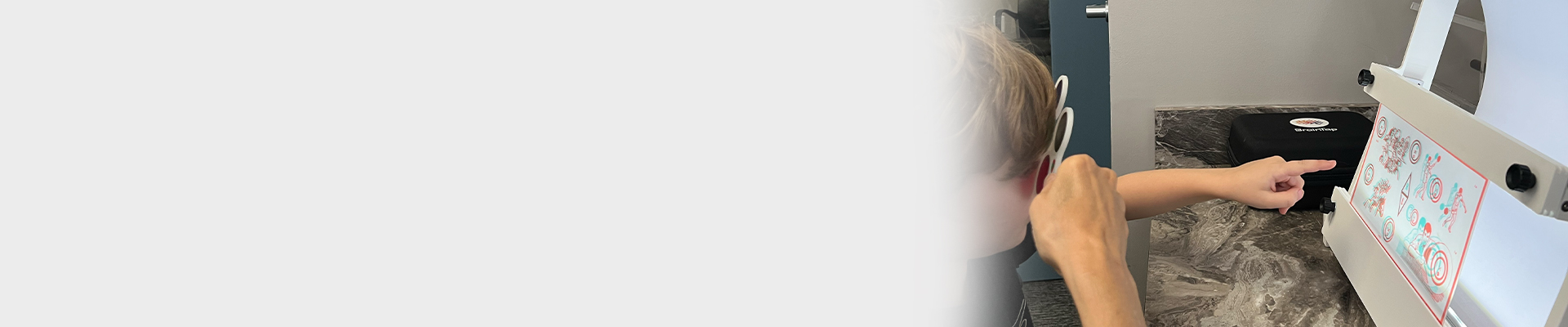
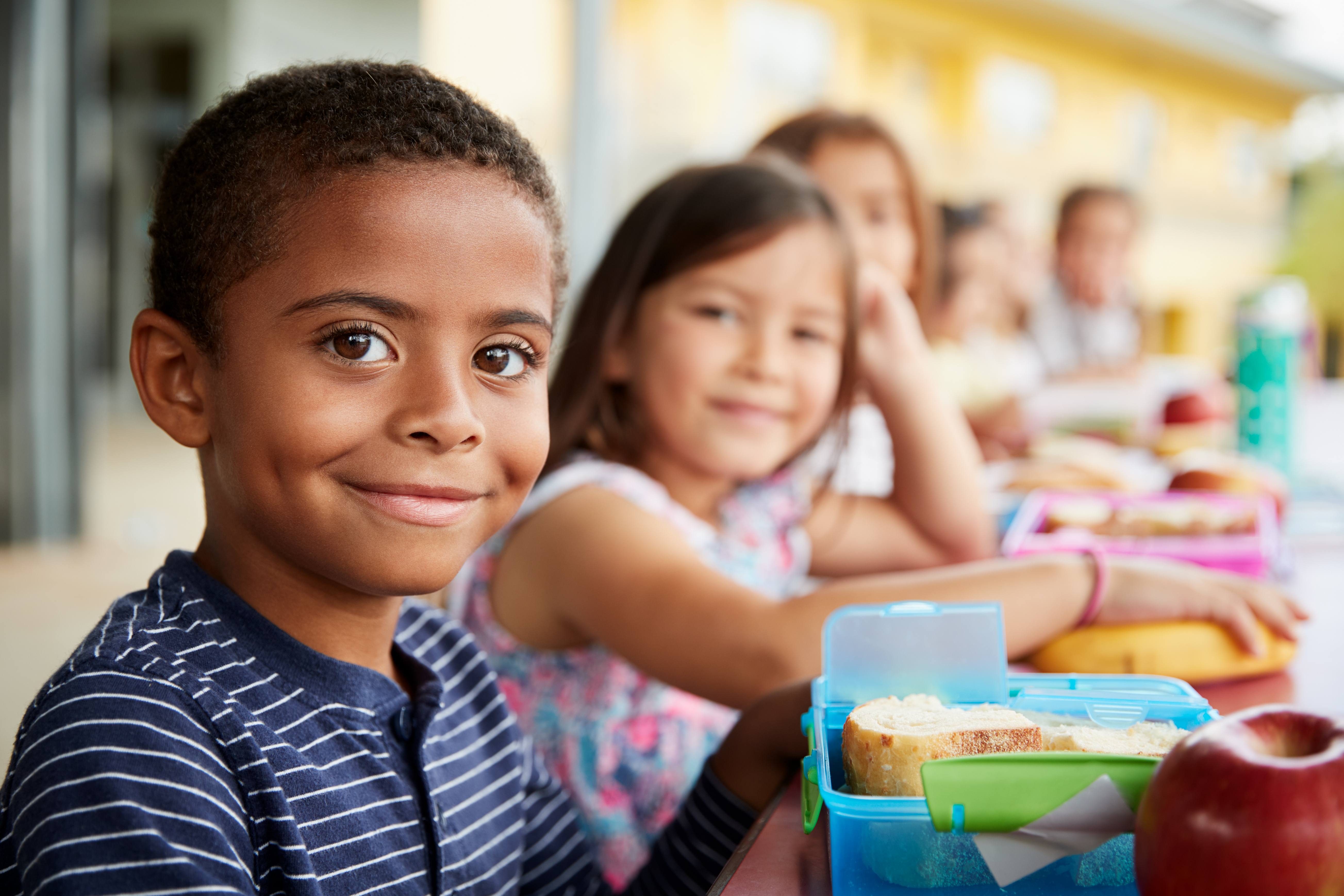
As families prepare for a new school year, nutrition often focuses on energy, concentration, and immunity. It also plays a supporting role in healthy eyes and normal visual development. Children rely on vision throughout the school day for reading, writing, sports, screen use, and moving safely through busy classrooms.
For families in Jenkintown, Pennsylvania, balanced meals and healthy daily habits can support a child’s overall eye health. Nutrition cannot correct nearsightedness, eye teaming problems, or visual processing difficulties, but it can provide the nutrients growing eyes need while comprehensive eye care identifies concerns that food alone cannot address.
Why Nutrition Matters for Growing Eyes
Children’s eyes and visual systems continue developing as they grow. Vitamin A supports normal vision, while carotenoids such as beta-carotene are converted into vitamin A by the body. Food sources include orange and yellow vegetables, leafy greens, eggs, dairy products, and fish.
Lutein and zeaxanthin are pigments found in the retina and are present in foods such as spinach, kale, peas, corn, and egg yolks. Vitamin C, vitamin E, zinc, protein, and healthy fats also contribute to normal growth and body function. A varied diet is generally more useful than focusing on one so-called superfood.
Back-to-School Foods That Support Eye Health
A practical school-year meal plan does not need to be complicated. Parents can build lunches and snacks around familiar foods their children will actually eat:
- Add spinach, kale, or romaine to wraps, salads, smoothies, or egg dishes
- Pack orange produce such as carrots, sweet potatoes, cantaloupe, or bell peppers
- Include eggs, yogurt, cheese, beans, chicken, or fish for protein and key nutrients
- Choose berries, citrus fruit, broccoli, or tomatoes as vitamin C sources
- Offer nuts or seeds when age-appropriate and permitted by the school
- Pair meals with water instead of relying heavily on sugary drinks
The National Institutes of Health lists fish, dairy products, eggs, and colorful fruits and vegetables among dietary sources of vitamin A and carotenoids. Vitamin C is widely available in fruits and vegetables, including citrus, strawberries, peppers, and broccoli.
Healthy Habits Matter Alongside Food
Eye-friendly routines extend beyond the lunchbox. During homework and screen use, children should take regular breaks, blink fully, and avoid holding devices extremely close. Good lighting and an appropriate working distance can reduce visual discomfort, although they do not eliminate an existing prescription or binocular vision problem.
Outdoor activity is also valuable. Current guidance from the American Academy of Ophthalmology notes that spending more time outdoors may help lower a child’s risk of developing or progressing nearsightedness. Children should still wear UV-protective sunglasses and appropriate sports eye protection when needed.
Be Careful With Children’s Eye Supplements
Parents may see gummies or supplements marketed for eye health, but more is not always better. Nutrient needs vary by age, diet, health history, and medication use. High-dose supplements can create side effects or provide amounts that are unnecessary for a healthy child.
Before starting an eye vitamin, speak with your child’s pediatrician or eye doctor. Holistic Vision takes a whole-body approach to vision care and offers nutritional guidance alongside advanced vision testing and individualized services.
Nutrition Cannot Replace a Vision Evaluation
A child can eat a nutritious diet and still struggle with focusing, tracking, eye teaming, visual processing, or an uncorrected prescription. Warning signs may include losing place while reading, headaches during close work, avoiding homework, blurry vision, poor hand-eye coordination, or difficulty sustaining attention on visual tasks.
Holistic Vision provides advanced vision testing and individually tailored vision therapy for children and adults in Jenkintown, Philadelphia, and surrounding Pennsylvania communities. A detailed evaluation can identify whether a visual skill issue is creating an unnecessary barrier during the school year.
Schedule your child’s vision evaluation with Holistic Vision at 1653 The Fairway, Suite 211, Jenkintown, PA 19046, or call (267) 500-9600.


Contact Info
1653 The Fairway Suite 211
Jenkintown, PA 19046
(far-end of the Whole Foods plaza)
Phone: (267) 500-9600
Fax: (215) 663-9889
Quick Contact Form
Office Hours
Monday: Phone lines only
Tuesday: 10:00 AM – 5:00 PM
Wednesday: 10:00 AM – 5:00 PM
Thursday: 10:00 AM – 5:00 PM
Friday: Phone lines only
Saturday: Closed
Sunday: Closed
© 2026 Holistic Vision. All Rights Reserved.
Powered by:
