
Neuroplasticity and How Vision Therapy Helps Rewire the Brain for Improved Visual Skills

Neuroplasticity and How Vision Therapy Helps Rewire the Brain for Improved Visual Skills

Neuroplasticity and How Vision Therapy Helps Rewire the Brain for Improved Visual Skills

Neuroplasticity and How Vision Therapy Helps Rewire the Brain for Improved Visual Skills
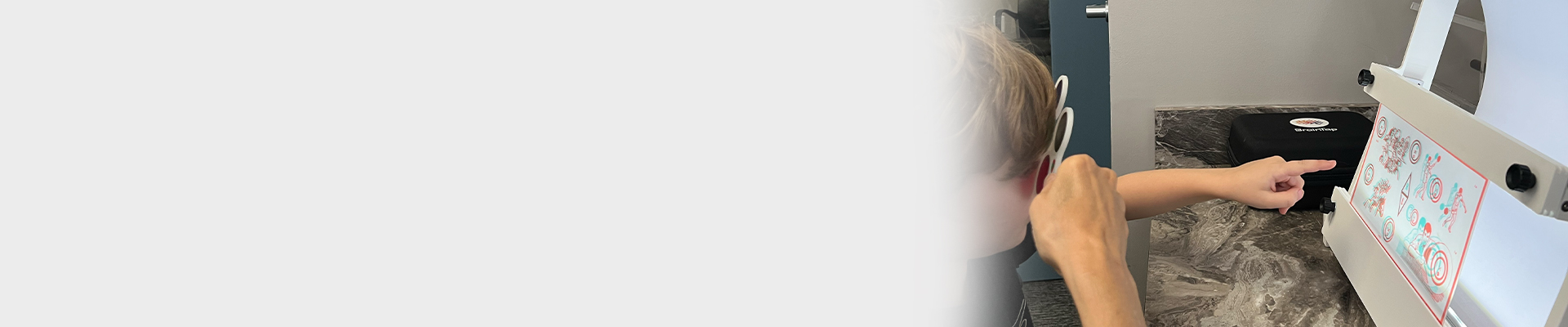
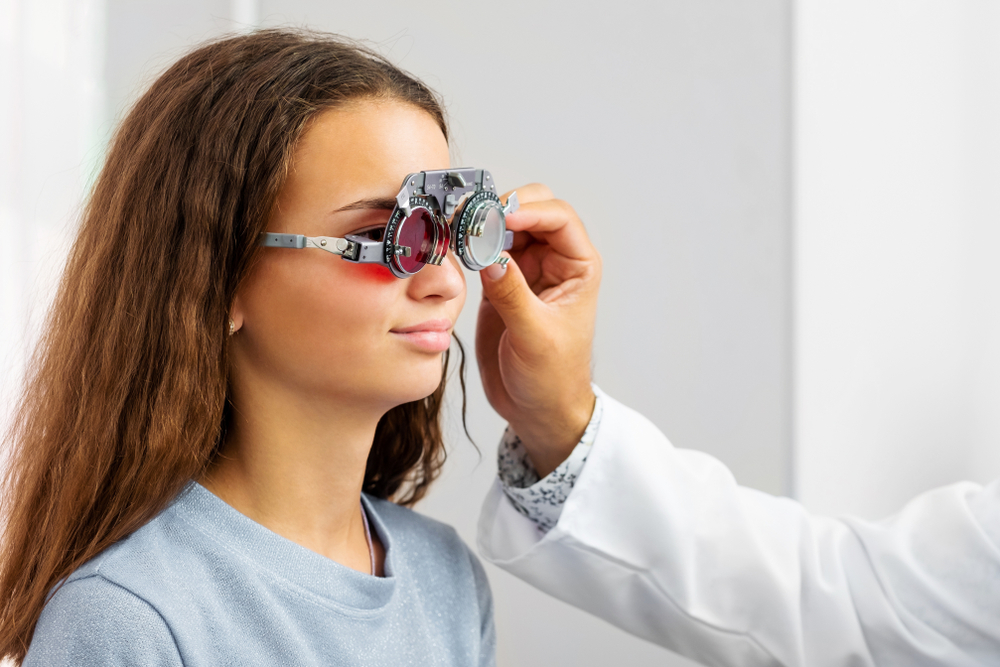
When the brain’s visual pathways are not working efficiently, challenges like reading difficulties, eye strain, poor focus, and coordination problems can arise. Fortunately, the brain has an incredible ability to adapt and change. This ability, known as neuroplasticity, is the foundation of vision therapy and the reason meaningful, lasting improvements in visual skills are possible at any age.
What Is Neuroplasticity?
Neuroplasticity refers to the brain’s ability to change, adapt, and reorganize itself. The human brain is not fixed or hardwired at birth. Instead, it continuously forms new neural connections throughout life. These connections strengthen with repetition and weaken when they are not used.
Every time you learn a new skill - whether it’s playing an instrument, learning a language, or improving athletic coordination - your brain is building and refining neural pathways. Vision works the same way. The brain learns how to process visual input efficiently through experience and practice. When those pathways are underdeveloped or not functioning properly, visual challenges can occur. The good news is that because of neuroplasticity, those pathways can be retrained and strengthened.
Vision Is a Brain Process, Not Just an Eye Function
Clear eyesight (20/20 vision) does not always mean a person has efficient visual skills. Many individuals with “perfect” eyesight still struggle with tracking, focusing, eye teaming, depth perception, or visual processing. These issues often show up as reading difficulties, poor concentration, headaches, eye strain, or trouble with sports performance.
That’s because vision happens in the brain. The eyes gather information, but the brain interprets and coordinates it. If the communication between the eyes and the brain is not working efficiently, the entire visual system can be affected. Vision therapy addresses these communication pathways directly.
How Vision Therapy Uses Neuroplasticity
Vision therapy is a customized program of in-office and at-home exercises designed to improve specific visual skills. At Holistic Vision, therapy is tailored to the individual’s needs, targeting areas such as eye tracking, eye teaming, focusing flexibility, visual memory, and spatial awareness.
Through repeated, structured activities, the brain is challenged to form new and stronger neural connections. Just like physical therapy strengthens muscles, vision therapy strengthens the brain’s visual pathways. Over time, these exercises help the visual system become more efficient and automatic.
Because of neuroplasticity, consistent practice leads to measurable changes. The brain adapts to the demands placed on it. As neural pathways strengthen, symptoms decrease and visual performance improves.
Who Can Benefit from Vision Therapy?
Neuroplasticity is active throughout life, which means both children and adults can benefit from vision therapy. Early intervention is helpful, especially for children struggling with reading, learning, or attention. However, adults experiencing eye strain, double vision, post-concussion symptoms, or performance challenges can also see meaningful improvement.
Common conditions that often respond well to vision therapy include:
• Convergence insufficiency
• Eye tracking difficulties
• Lazy eye (amblyopia)
• Binocular vision dysfunction
• Visual processing delays
• Vision issues following head injuries
By targeting the root cause - the brain’s visual processing pathways - vision therapy works to create lasting change rather than temporarily compensating for the problem.
Take the Next Step at Holistic Vision
Neuroplasticity proves that the brain is capable of growth and transformation throughout life. When visual skills are underdeveloped or disrupted, vision therapy provides a structured and scientifically grounded way to retrain the brain. By strengthening neural connections and improving coordination between the eyes and the brain, patients can experience lasting improvements in visual performance and daily comfort.
Schedule a consultation at Holistic Vision to discover how vision therapy can help rewire the brain for clearer, more comfortable vision. Visit our office in Jenkintown, Pennsylvania, or call (267) 500-9600 to book an appointment today.


Contact Info
1653 The Fairway Suite 211
Jenkintown, PA 19046
(far-end of the Whole Foods plaza)
Phone: (267) 500-9600
Fax: (215) 663-9889
Quick Contact Form
Office Hours
Monday: Phone lines only
Tuesday: 10:00 AM – 5:00 PM
Wednesday: 10:00 AM – 5:00 PM
Thursday: 10:00 AM – 5:00 PM
Friday: Phone lines only
Saturday: Closed
Sunday: Closed
© 2026 Holistic Vision. All Rights Reserved.
Powered by:
