
Hidden Vision Problems After Mild Traumatic Brain Injury (MTBI)
Hidden Vision Problems After Mild Traumatic Brain Injury (MTBI)

Hidden Vision Problems After Mild Traumatic Brain Injury (MTBI)

Hidden Vision Problems After Mild Traumatic Brain Injury (MTBI)
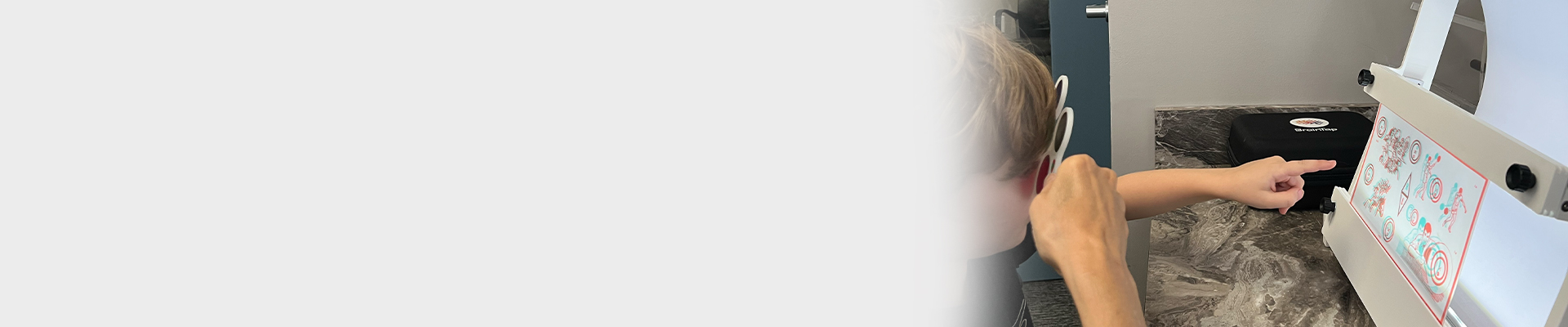

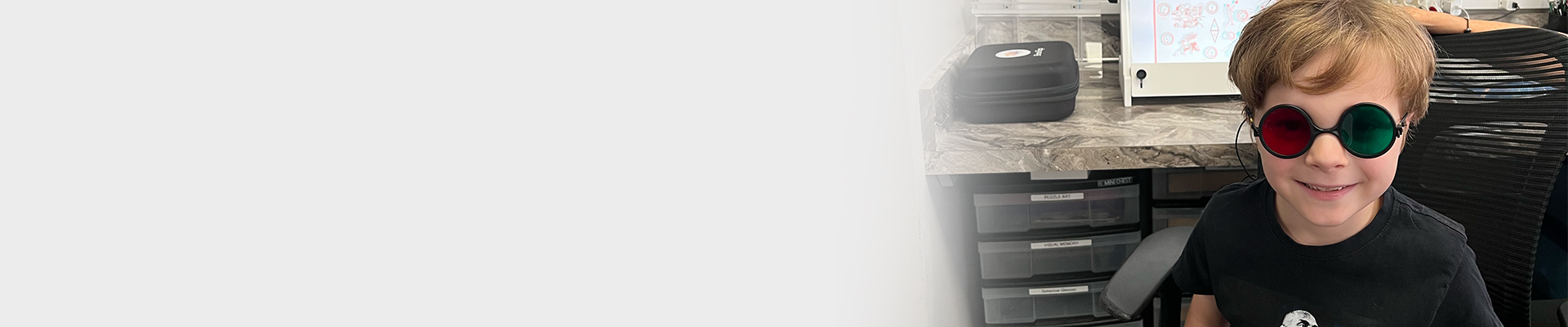
A mild traumatic brain injury can affect much more than memory or balance. In many cases, it also changes how the eyes and brain work together. After an MTBI, people may be told their eyes are healthy, yet they still struggle with reading, driving, screens, or busy environments. These are often hidden vision problems, and they can interfere with daily life long after the initial injury. Standard eye exams often focus on eyesight and eye health, but post-traumatic visual issues may involve visual processing, tracking, focusing, and coordination. That means someone can still see the letters on an eye chart clearly while dealing with headaches, dizziness, double vision, or trouble concentrating. When vision symptoms are linked to brain function, they may not be obvious without more advanced testing. Hidden vision problems after mild traumatic brain injury can show up in many ways. Some symptoms seem minor at first, but they can become more noticeable at work, school, or while driving. Vision plays a major role in balance, posture, learning, movement, and attention. After an MTBI, even small disruptions in visual function can make everyday tasks harder. Reading may feel slow and tiring. Computer work may become uncomfortable. Grocery stores, traffic, and crowded spaces may feel overwhelming. In children and adults alike, these problems can affect confidence, productivity, and overall quality of life. Vision is not just about the eyes. It is a brain-based process that depends on accurate communication between the visual system and the rest of the body. Mild traumatic brain injury can disrupt eye teaming, tracking, visual attention, and spatial awareness. This is why symptoms may continue even after a person has been cleared medically. When the visual system is not functioning efficiently, the brain has to work harder to complete simple tasks. If symptoms started after a concussion or other mild head injury, a more specialized assessment may be the next step. A neuro-optometric evaluation looks beyond basic eyesight to identify visual problems related to brain injury. This type of testing can uncover issues that may be contributing to headaches, fatigue, reading difficulty, or dizziness. Once those problems are identified, care can be tailored to improve how the visual system functions. At Holistic Vision, we understand that hidden vision problems after mild traumatic brain injury can be frustrating and easy to overlook. Our advanced testing and neuro-optometric rehabilitation services are designed to evaluate how your eyes and brain are working together so we can recommend care that supports better daily function and comfort. To learn more about post-traumatic vision issues, contact Holistic Vision in Jenkintown, PA by calling (267) 500-9600.
Why Vision Problems Can Be Missed
Common Symptoms After MTBI
How These Issues Affect Daily Activities
The Link Between the Eyes and the Brain
When a Neuro-Optometric Evaluation Matters
A More Complete Path Forward


Contact Info
1653 The Fairway Suite 211
Jenkintown, PA 19046
(far-end of the Whole Foods plaza)
Phone: (267) 500-9600
Fax: (215) 663-9889
Quick Contact Form
Office Hours
Monday: Phone lines only
Tuesday: 10:00 AM – 5:00 PM
Wednesday: 10:00 AM – 5:00 PM
Thursday: 10:00 AM – 5:00 PM
Friday: Phone lines only
Saturday: Closed
Sunday: Closed
© 2026 Holistic Vision. All Rights Reserved.
Powered by:
