
Can Vision Therapy Improve My Lazy Eye?

Can Vision Therapy Improve My Lazy Eye?
Can Vision Therapy Improve My Lazy Eye?

Can Vision Therapy Improve My Lazy Eye?
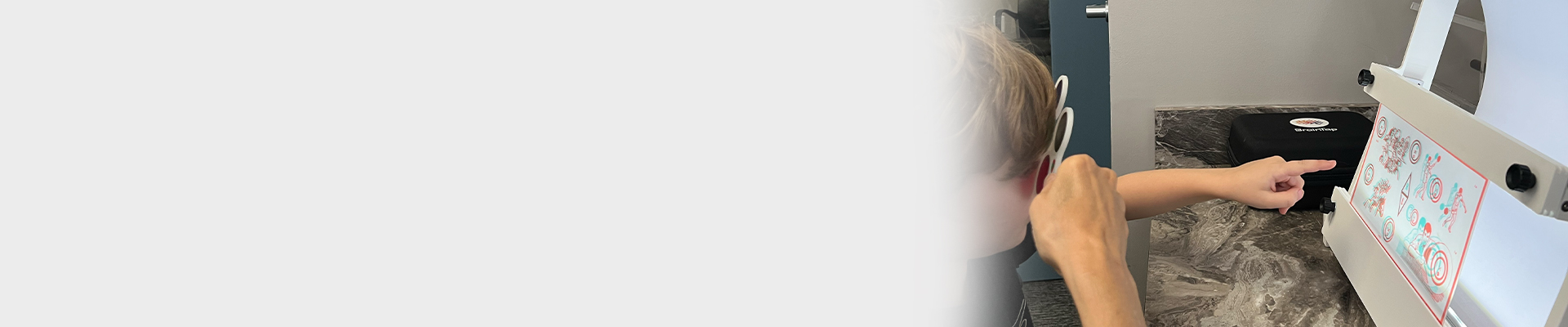
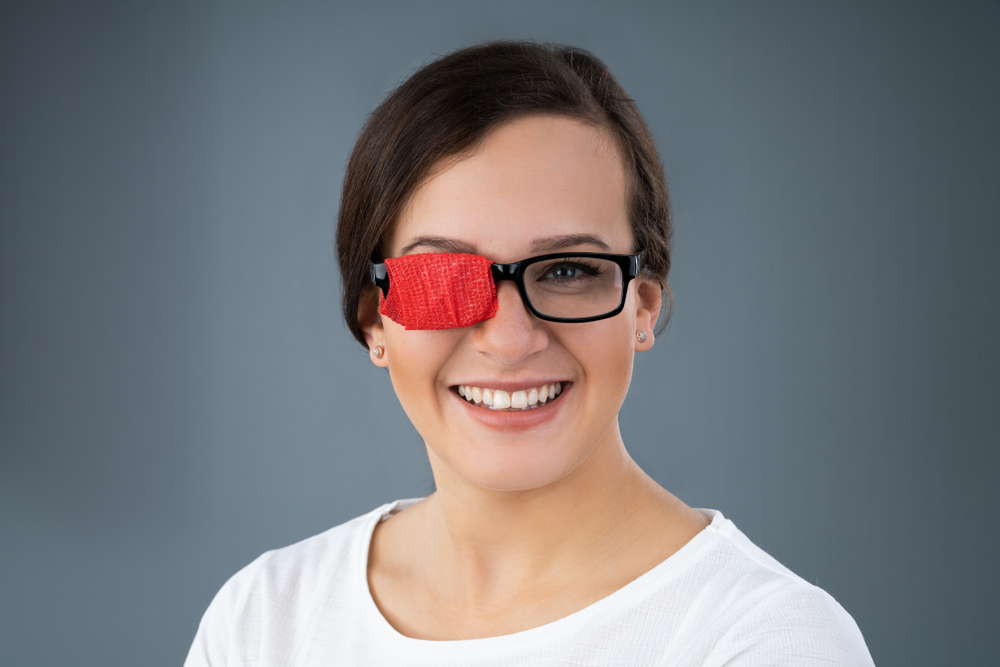
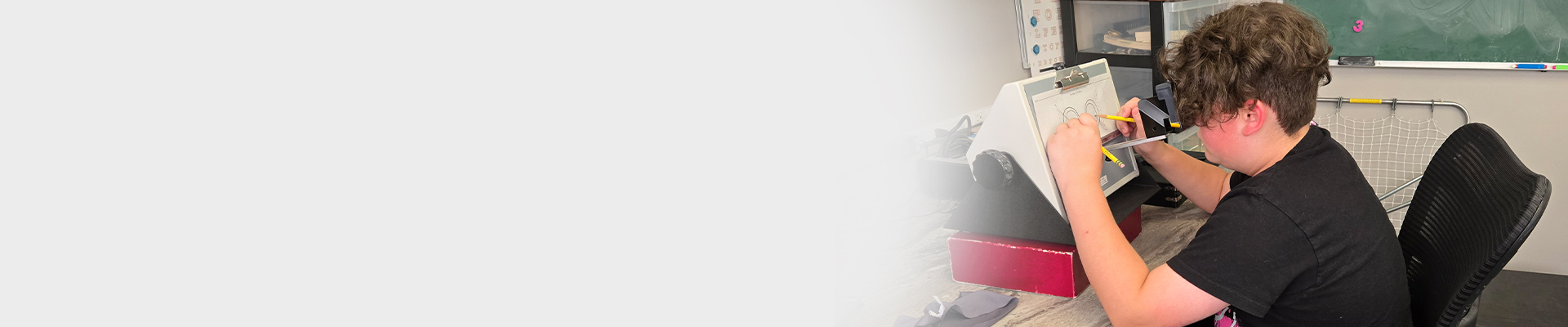
Lazy eye, clinically known as amblyopia, is a common vision condition that often begins in childhood. It occurs when one eye does not develop normal visual acuity, even though the eye itself may appear healthy. Because the brain favors the stronger eye, the weaker eye becomes increasingly ignored over time. Many people assume lazy eye can only be treated in early childhood, but advances in vision therapy are changing that perspective.
What Causes a Lazy Eye?
Lazy eye typically develops when the brain and eyes do not work together properly during early visual development. Common causes include eye misalignment (strabismus), unequal prescriptions between the two eyes, or visual deprivation from conditions such as cataracts. If the brain consistently relies on one eye more than the other, it suppresses input from the weaker eye, limiting visual development.
What Is Vision Therapy?
Vision therapy is a customized, non-invasive program designed to improve how the eyes and brain communicate. Rather than focusing only on eyesight clarity, vision therapy targets visual skills such as eye teaming, tracking, focusing, and depth perception. These skills are essential for comfortable, efficient vision and are often underdeveloped in individuals with lazy eye. At Holistic Vision, vision therapy programs are tailored to each patient’s specific visual challenges, age, and goals.
How Vision Therapy Helps Lazy Eye
Vision therapy works by encouraging the brain to actively use the weaker eye while improving coordination between both eyes. Through guided activities and exercises, patients gradually strengthen neural connections responsible for visual processing. Over time, this can lead to improved visual acuity, better eye coordination, and reduced eye suppression. Unlike traditional treatments that may rely solely on patching, vision therapy addresses the root cause of amblyopia by retraining the visual system as a whole.
Is Vision Therapy Only for Children?
While early intervention is ideal, vision therapy is not limited to young children. Research and clinical experience show that the brain retains a degree of neuroplasticity well into adolescence and adulthood. This means older children, teens, and even adults can still experience meaningful improvements with the right therapy program.
What Results Can You Expect?
Results vary depending on factors such as age, severity of the lazy eye, and consistency with therapy. Many patients experience clearer vision in the weaker eye, improved depth perception, better eye alignment, and reduced visual fatigue. Perhaps most importantly, vision therapy can help create long-term visual stability rather than temporary improvements.
Take the First Step at Holistic Vision
Lazy eye is more than just a childhood vision issue, and it does not always resolve on its own. Vision therapy offers a proactive, personalized approach that focuses on strengthening the connection between the eyes and the brain. For many patients, it can significantly improve visual function and quality of life - regardless of age.
If you or your child has been diagnosed with lazy eye, contact Holistic Vision to learn how a customized vision therapy program can support stronger, healthier vision and help both eyes work together more effectively. Visit our office in Jenkintown, Pennsylvania, or call (267) 500-9600 today.


Contact Info
1653 The Fairway Suite 211
Jenkintown, PA 19046
(far-end of the Whole Foods plaza)
Phone: (267) 500-9600
Fax: (215) 663-9889
Quick Contact Form
Office Hours
Monday: Phone lines only
Tuesday: 10:00 AM – 5:00 PM
Wednesday: 10:00 AM – 5:00 PM
Thursday: 10:00 AM – 5:00 PM
Friday: Phone lines only
Saturday: Closed
Sunday: Closed
© 2026 Holistic Vision. All Rights Reserved.
Powered by:
