
Beyond Lazy Eye: Advanced Approaches to Treat Amblyopia and Binocular Dysfunction
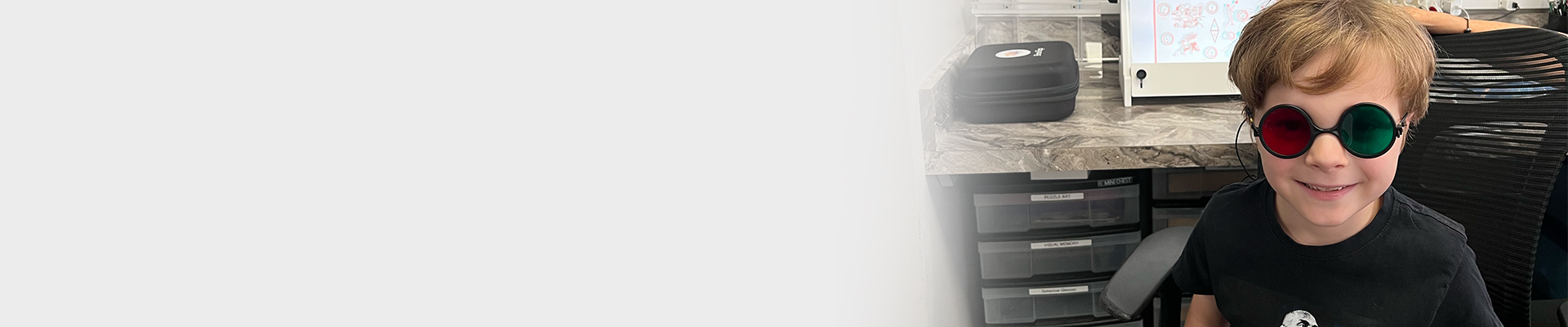
Beyond Lazy Eye: Advanced Approaches to Treat Amblyopia and Binocular Dysfunction
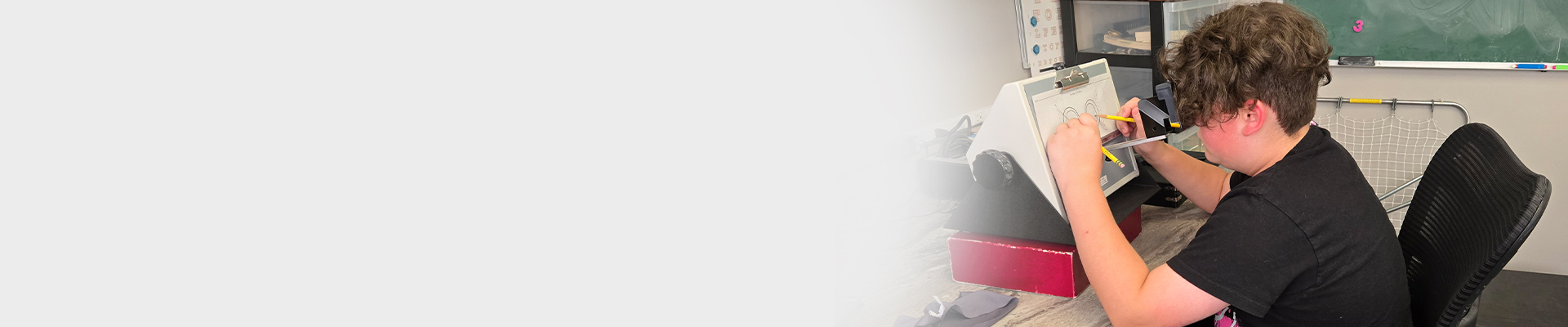
Beyond Lazy Eye: Advanced Approaches to Treat Amblyopia and Binocular Dysfunction

Beyond Lazy Eye: Advanced Approaches to Treat Amblyopia and Binocular Dysfunction
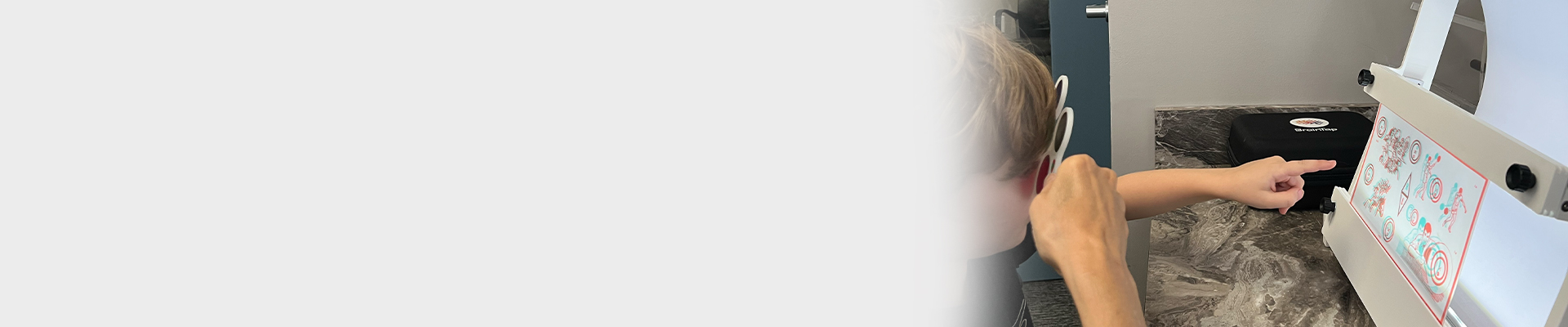
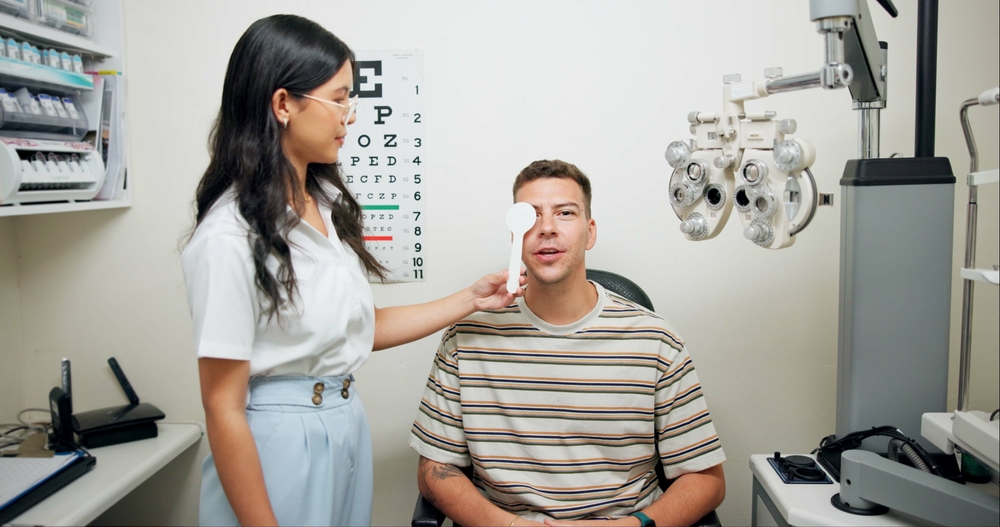
Beyond Lazy Eye: Advanced Approaches to Treat Amblyopia and Binocular Dysfunction
Amblyopia is often called “lazy eye,” but that phrase does not fully explain what is happening. Amblyopia is a developmental vision condition where one eye does not achieve clear, comfortable vision, even with glasses or contact lenses. It can also affect how the two eyes work together, which is why a deeper evaluation is often needed.
At Holistic Vision, Dr. Robin Sapossnek looks beyond the surface symptoms to understand how the eyes, brain, and visual system are functioning as a whole. This is especially important for children and adults who have struggled with reading, depth perception, eye strain, headaches, or visual discomfort.
How Amblyopia and Binocular Dysfunction Are Connected
Binocular vision is the ability of both eyes to work together as a coordinated team. When the eyes do not align, focus, or track properly, the brain may begin to favor one eye over the other. Over time, this can contribute to amblyopia, poor depth perception, double vision, or difficulty with visually demanding tasks.
Binocular dysfunction may also show up in ways that are not always obvious during a basic eye exam. A person may see 20/20 on an eye chart but still struggle with eye teaming, focusing, visual processing, or comfort during reading and daily activities.
Why Standard Treatment May Not Be Enough
Traditional treatment for amblyopia often includes glasses, patching, or eye drops to encourage the weaker eye to work harder. These options can be helpful, but they may not address the full visual system. If the two eyes are not learning to work together, the patient may continue to experience symptoms even after visual clarity improves.
Advanced care focuses not only on improving sight in one eye but also on building better communication between the eyes and brain. This approach can be especially valuable when amblyopia is connected to eye teaming problems, post-concussion vision changes, or long-standing visual discomfort.
Vision Therapy for Functional Vision Skills
Vision therapy is a customized treatment program designed to improve how the eyes and brain work together. Rather than simply strengthening an eye muscle, therapy helps develop visual skills such as tracking, focusing, eye teaming, depth perception, and visual processing.
A personalized vision therapy plan may help patients with:
- Amblyopia or reduced vision in one eye
- Eye teaming or focusing problems
- Double vision or poor depth perception
- Reading fatigue, headaches, or loss of place
- Visual symptoms after concussion or neurological injury
Dr. Sapossnek uses advanced testing and individualized therapy strategies to help patients improve functional vision, not just eye chart performance.
The Role of Syntonics Phototherapy
Syntonics Phototherapy is another advanced option that may be included in a patient’s care plan when appropriate. This therapy uses specific wavelengths of light to support visual function and help regulate how the visual system responds to information.
For some patients, Syntonics Phototherapy may be used alongside vision therapy to support comfort, visual processing, peripheral awareness, and overall visual efficiency. It is not a one-size-fits-all treatment, which is why a detailed evaluation is important before recommending it.
A More Holistic Approach to Visual Function
Amblyopia and binocular dysfunction can affect more than eyesight. They can influence reading, learning, balance, coordination, sports performance, and comfort during work or school. A holistic approach considers how vision affects the whole person and how different therapies can work together to support better outcomes.
At Holistic Vision, care is designed around each patient’s needs, symptoms, and goals. By combining advanced neuro-optometric testing, vision therapy, and options like Syntonics Phototherapy, Dr. Sapossnek helps patients work toward stronger, more comfortable, and more functional vision.
To learn more about advanced care for amblyopia and binocular dysfunction, schedule a consult at Holistic Vision in Jenkintown, PA by calling (267) 500-9600.


Contact Info
1653 The Fairway Suite 211
Jenkintown, PA 19046
(far-end of the Whole Foods plaza)
Phone: (267) 500-9600
Fax: (215) 663-9889
Quick Contact Form
Office Hours
Monday: Phone lines only
Tuesday: 10:00 AM – 5:00 PM
Wednesday: 10:00 AM – 5:00 PM
Thursday: 10:00 AM – 5:00 PM
Friday: Phone lines only
Saturday: Closed
Sunday: Closed
© 2026 Holistic Vision. All Rights Reserved.
Powered by:
