
HERO

Robin Sapossnek, OD, FCOVD, FNORA
Neuro-Optometric Rehabilitation & Optometric Vision Therapy
WELCOME
Welcome to Holistic Vision
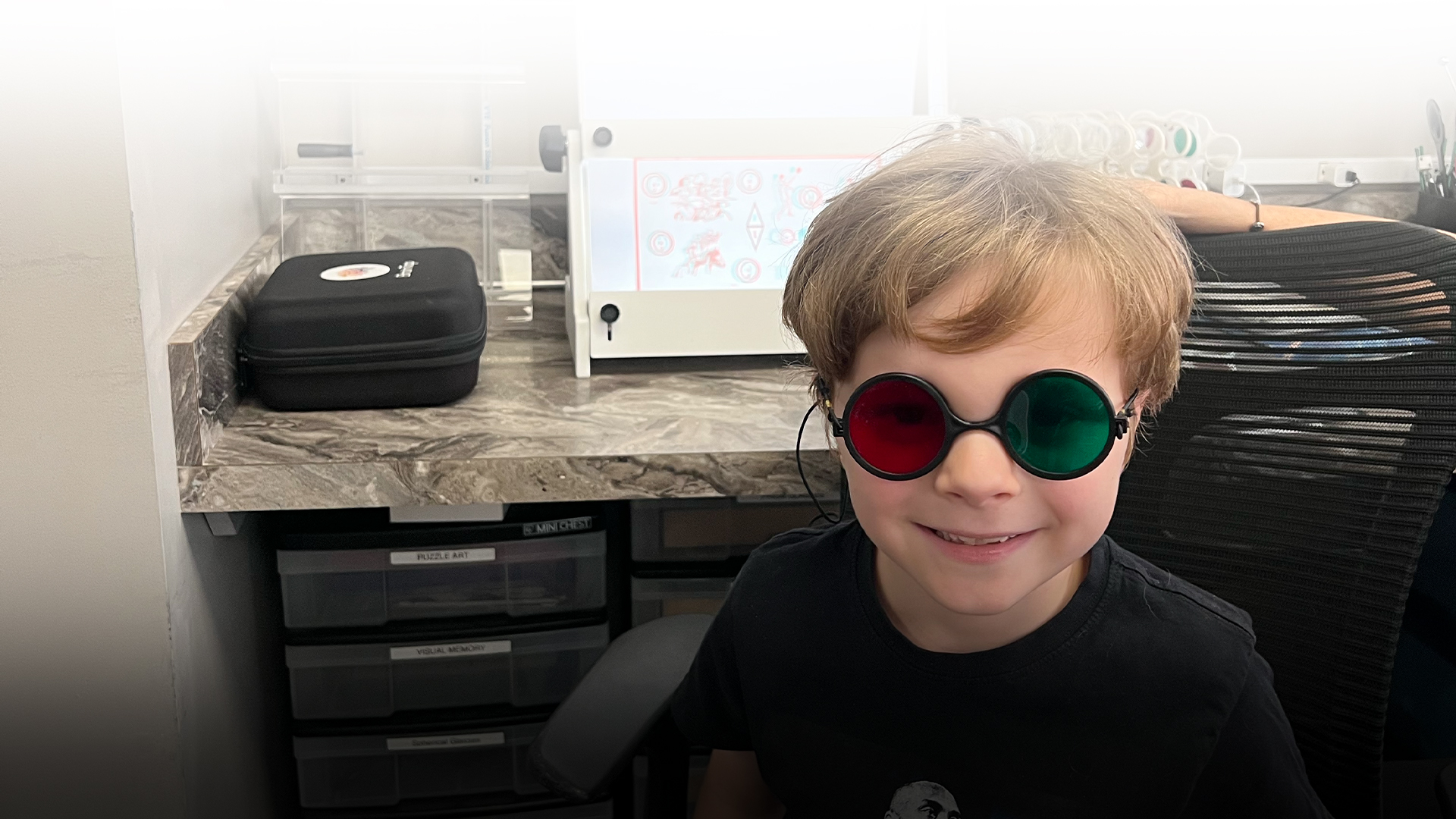
Here at Holistic Vision, we are proud to serve Jenkintown, PA, Philadelphia, and its suburbs. Our vision practice is unique in offering advanced vision testing and therapies with the goal of improving visual function and quality of life.
Our hope for you is to leave our office with a memorable and enjoyable experience and confidence that you have found a team of vision professionals that truly understand vision and your visual issues in particular. Our welcoming and compassionate staff will do everything they can to make you feel right at home.
If you are looking to brighten and enhance your vision, please don’t hesitate to contact us today at (267) 500-9600. We offer vision therapies to develop and rehabilitate visual skills with the objective of improving quality of life!
MEET DR. SAPOSSNEK


Meet Dr. Sapossnek
DIRECTOR OF HOLISTIC VISION
Dr. Robin Sapossnek, OD, FCOVD, FNORA is one of the few eye doctors in the United States and the only one in the Philadelphia area, with advanced training and certification in two specialties: Vision Therapy/Vision Development, and Neuro-Optometric Rehabilitation.
She provides adult and pediatric holistic vision care and integrative vision therapies for visual problems related to conditions like concussion and traumatic brain injury. She also provides vision treatments for learning-related vision problems, lazy eye (amblyopia), double vision, and other eye alignment issues.
SERVICES


ACHIEVING FUNCTIONAL VISION
Achieving Functional Vision
Are you a parent concerned with your child’s ability to focus, read, and learn? Have you experienced dizziness, double-vision, and a poorer quality of life after a traumatic brain injury, stroke, or another neurological event?
Dr. Robin Sapossnek has focused on advanced vision solutions since 1981, with the goal of developing and restoring full visual function to children and adults alike.

THE INTERSECTION OF NEUROLOGY AND OPTOMETRY

The Intersection Of Neurology And Optometry
Neuro-optometric rehabilitation therapy, a form of vision therapy that deals with vision rehabilitation following brain injury, applies the latest methods and treatments of neuro-plasticity and vision function to help patients develop or regain the essential visual skills necessary for learning and optimal daily function.
REVIEWS
What Our Patients Say

Contact Info
1653 The Fairway Suite 211
Jenkintown, PA 19046
(far-end of the Whole Foods plaza)
Phone: (267) 500-9600
Fax: (215) 663-9889
Quick Contact Form
Office Hours
Monday: Phone lines only
Tuesday: 10:00 AM – 5:00 PM
Wednesday: 10:00 AM – 5:00 PM
Thursday: 10:00 AM – 5:00 PM
Friday: Phone lines only
Saturday: Closed
Sunday: Closed
© 2025 Holistic Vision. All Rights Reserved.
Powered by:
